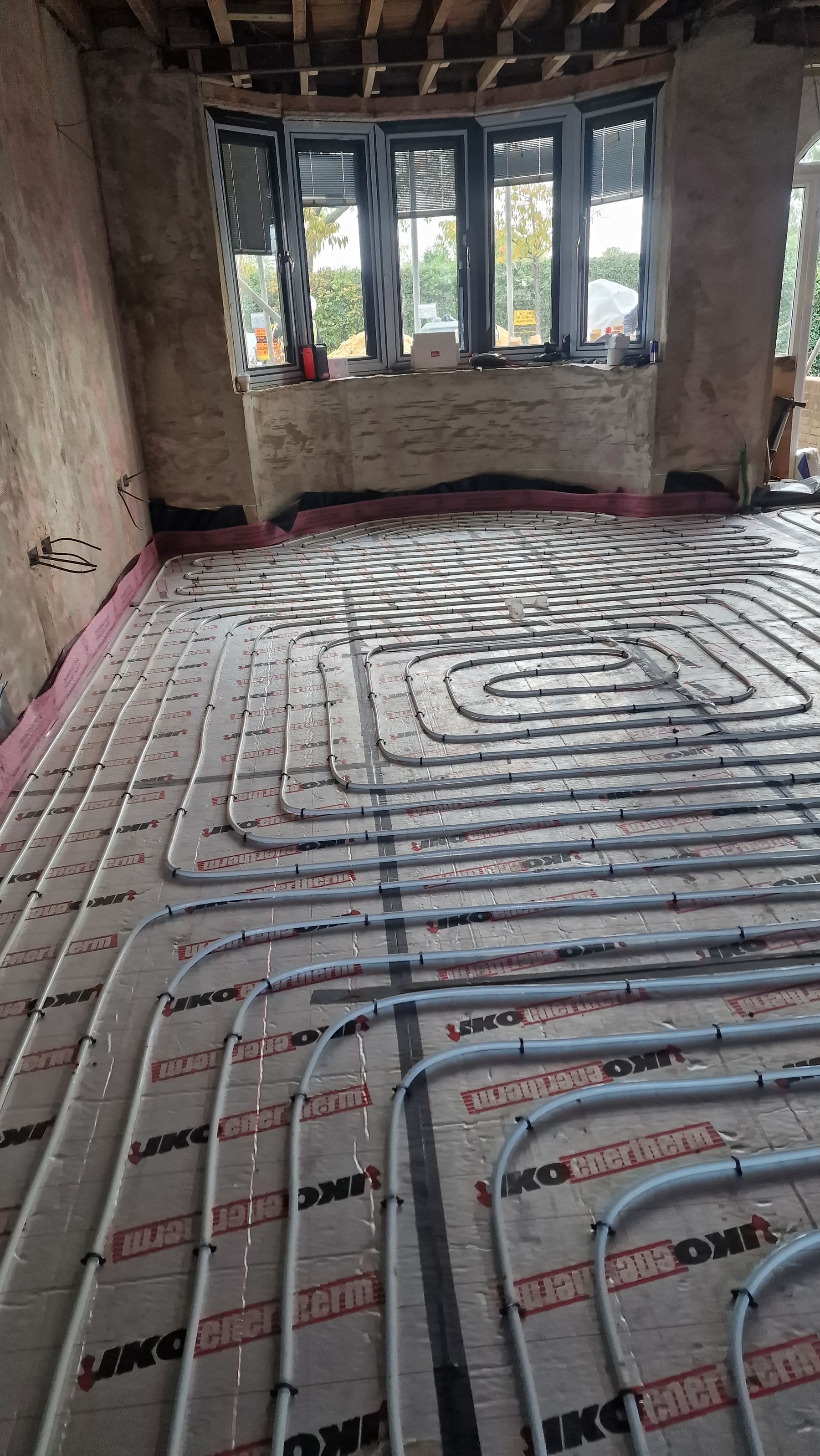
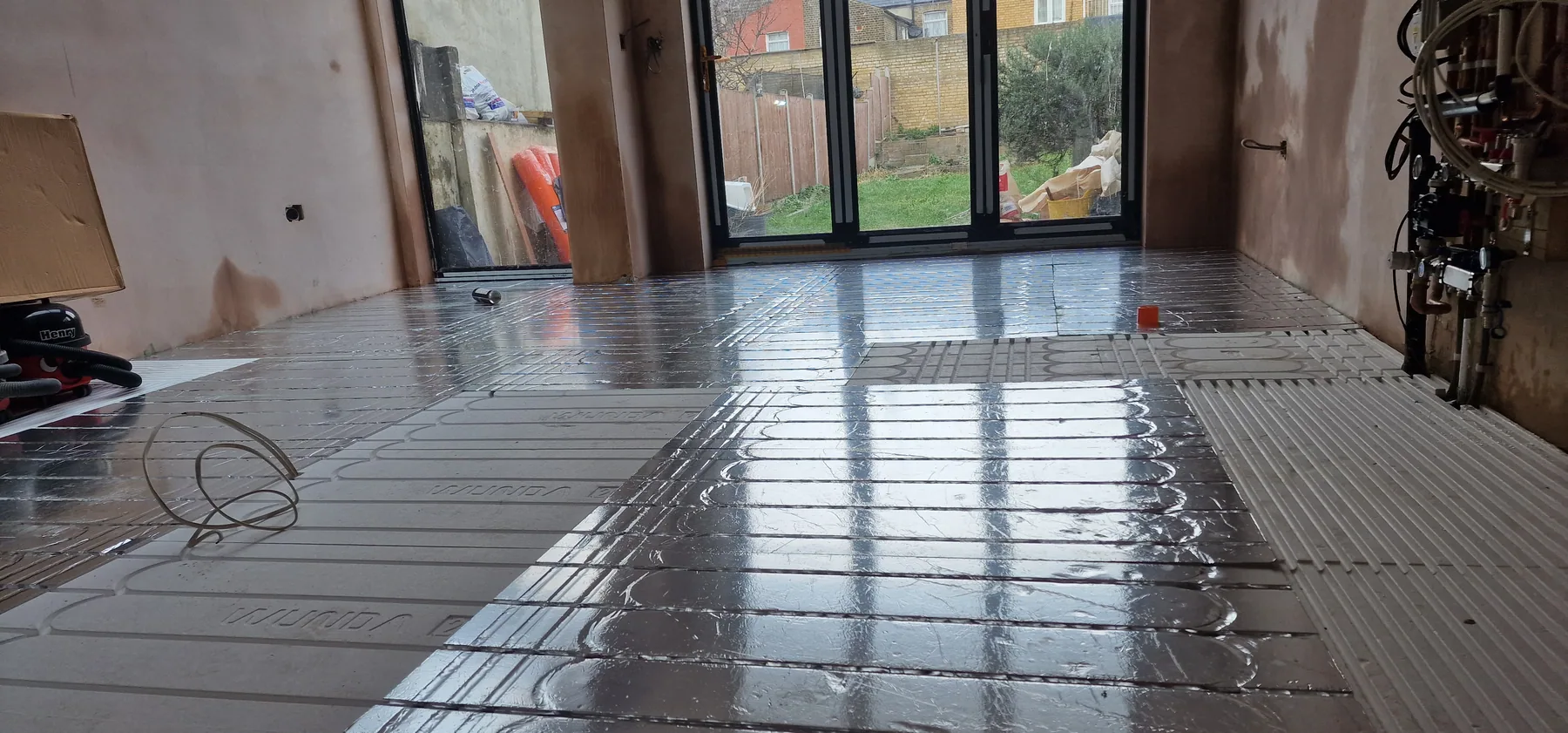
Red underfloor heating pipes laid across insulation in a residential extensionHeating pipework arranged across an insulated residential floor
HEAT GO LTDHOME CENTRAL HEATING

Heating systems, radiators & home comfort

Central heating
room by room.

Talk to Heat Go about the heating in your home: a room that feels different, a radiator concern or an improvement you are planning. Start with what you have noticed, not a diagnosis.

15 years of experienceHomeowner-focused service8am–8pmStated working hours
Relevant experience & qualifications
Heat Go Heating and Plumbing EngineerGas Safe Register
Underfloor heating panels in a residential room before the floor finish is laid
Heating pipework arranged across an insulated residential floor

Comfort is about the whole home

Heating is more
than one room.

A central heating enquiry often begins with the way a home feels: rooms that warm at different rates, radiators that are not behaving as expected, or a system that no longer suits the household.

Central heating brings together the heat source, distribution around the property, radiators or other emitters, and the controls that tell the system when to operate. A concern with one part may be connected to the wider arrangement, so useful advice starts with an understanding of the home rather than an assumption about the fault.

Heat Go works with homeowners in North London and the surrounding area. You can make contact about a problem-led repair or a planned improvement. Explain the rooms involved and what you would like to feel or work differently; a qualified discussion can then establish what needs looking at and what options may be relevant.

Tell us what you have in mind

Work Heat Go can discuss

A considered look
at home heating.

The planned service areas below help organise common central heating enquiries. The actual work and suitability depend on the property and system details.

Discuss your central heating enquiry
01

Central Heating Installation

For a new or substantially changed heating arrangement, describe the property and the outcome you have in mind. System design and the work required depend on the home, its existing services and an appropriate assessment.

Ask about this work
02

Central Heating Repairs

If heating is not behaving as expected, share when the issue occurs, the rooms affected and any changes you have noticed. A symptom alone cannot confirm its cause, so the next step needs to take account of the system.

Ask about this work
03

Radiator Installation & Repairs

Ask about replacing, adding or addressing a radiator. Include the room, the existing arrangement if known and whether this is part of a wider improvement or a specific concern.

Ask about this work
04

Heating System Maintenance

Discuss the condition and upkeep of your household heating system. If you have previous service or repair information, it can provide useful context, though it is not essential to make an enquiry.

Ask about this work
05

Thermostats & Heating Controls

Controls affect how a household requests and manages heat. Explain what control you have and what is difficult or different in everyday use; the system and property context matter when considering changes.

Ask about this work
06

Power Flushing

If you are asking about power flushing, describe what prompted the question and any relevant history. Whether this treatment is appropriate cannot be established from a general symptom alone; the system needs to be considered.

Ask about this work

Your central heating enquiry

A useful first
heating conversation.

A clear account of the home and the heating concern helps keep the discussion practical while the right next step is considered.

Start the conversation
01

Set out the pattern

Tell Heat Go which rooms feel different, what the radiators or controls are doing and when you first noticed the change. Separate what you observed from what you think might be causing it.

02

Add the system context

If you know the boiler or thermostat type, recent work or approximate age of a component, include it. Do not worry if you do not have those details; a plain-language account is enough to begin.

03

Discuss the property

Heat Go can review the enquiry with the property, existing arrangement and the work you are considering in mind. Further questions may help establish what can sensibly be discussed next.

04

Agree what happens next

If the request is a fit, discuss the scope, practical arrangements and relevant costs directly before deciding whether to proceed. The appropriate next step depends on the home and the work involved.

A professional approach in your home

Experience with
the systems at home.

Heating affects daily routines, so the conversation should make room for both the system details and the comfort the household is trying to achieve.

01

15 years around home systems

Heat Go brings 15 years of plumbing and heating experience to homeowner enquiries. That background supports a conversation that considers the household system as a whole, rather than reducing every concern to one visible component.

02

Punctual and reliable approach

The business is positioned around punctuality and reliability. Clear communication about the enquiry and next steps helps homeowners understand what has been discussed before making arrangements.

03

Relevant heating capability

Heat Go has stated Heating and Plumbing Engineer and Gas Safe credentials. The qualifications relevant to a particular request can be discussed alongside its scope; no registration number or technical conclusion is implied here.

Understanding your home system

Comfort follows
the details of the home.

Useful context makes it easier to have a grounded conversation about the property, the work and what should happen next.

Heating across the rooms

A household does not use every room in the same way.

How a home is occupied can shape what comfortable heating means. A room used throughout the day may have different requirements from one used in the evening, while extensions, altered layouts or changed insulation can affect the context in which an existing system operates. This is why the description of the property is as useful as the description of a symptom.

If you are planning work, tell Heat Go how the space is used and what you hope to improve. If you are reporting a concern, note where it appears and whether it is consistent. Those details help the conversation remain centred on the actual home rather than a generic system diagram.

A practical starting point

Good information is more useful than a guess at the fault.

Heating can involve connected parts that are not visible in daily use. A radiator that feels different or a control that does not produce the expected comfort may prompt a closer look, but the sign alone does not prove why it is happening. Avoid treating an online description as a substitute for an assessment of the installation.

Before contacting Heat Go, you can note the rooms involved, whether the concern is new or recurring, what controls are present if known, and your postcode. If a boiler or hot-water concern accompanies the heating issue, mention it. The aim is simply to make the first exchange clear enough to decide what information or discussion may be useful next.

A change in everyday comfort

When the heating feels uneven, describe the pattern.

At home

Perhaps the living space feels comfortable while a bedroom stays cool, or a radiator seems to respond differently from others. The pattern can help frame the enquiry: which rooms are involved, when the difference is noticeable and whether it is new. These observations are useful context, but they do not identify the cause on their own.

What to consider

Thermostat settings, how the household uses rooms and the condition of system components can all be part of a heating conversation. Heat Go can review the details you share and discuss whether an assessment or another next step is suitable. There is no need to make adjustments or take equipment apart just to describe what you are noticing.

One connected system

Radiators, controls and the wider system work together.

At home

A radiator is the visible part of a broader heating arrangement. Water is circulated through the system, while controls help manage when heat is requested and how the home responds. A change to a radiator or thermostat can therefore be worth considering alongside the existing system and the rooms it serves.

What to consider

For a planned improvement, explain which rooms or components you would like to change and what is already installed if you know. For a repair, describe the behaviour that has prompted you to get in touch. Heat Go can talk through the scope and the home context without promising a particular technical outcome before the details have been assessed.

Repair or planned work

A problem-led enquiry and a home improvement start differently.

At home

When the system is not working as expected, start with the change: the rooms affected, the timing and any control or boiler information you can readily see. A planned project can begin with a different question: what would you like the heating to do better, and which parts of the home are involved?

What to consider

Neither kind of enquiry needs a complete technical specification. A postcode, a clear description and details of the household context give Heat Go a useful starting point. If the request involves connected boiler or gas work, mention that too so the right part of the conversation can be considered.

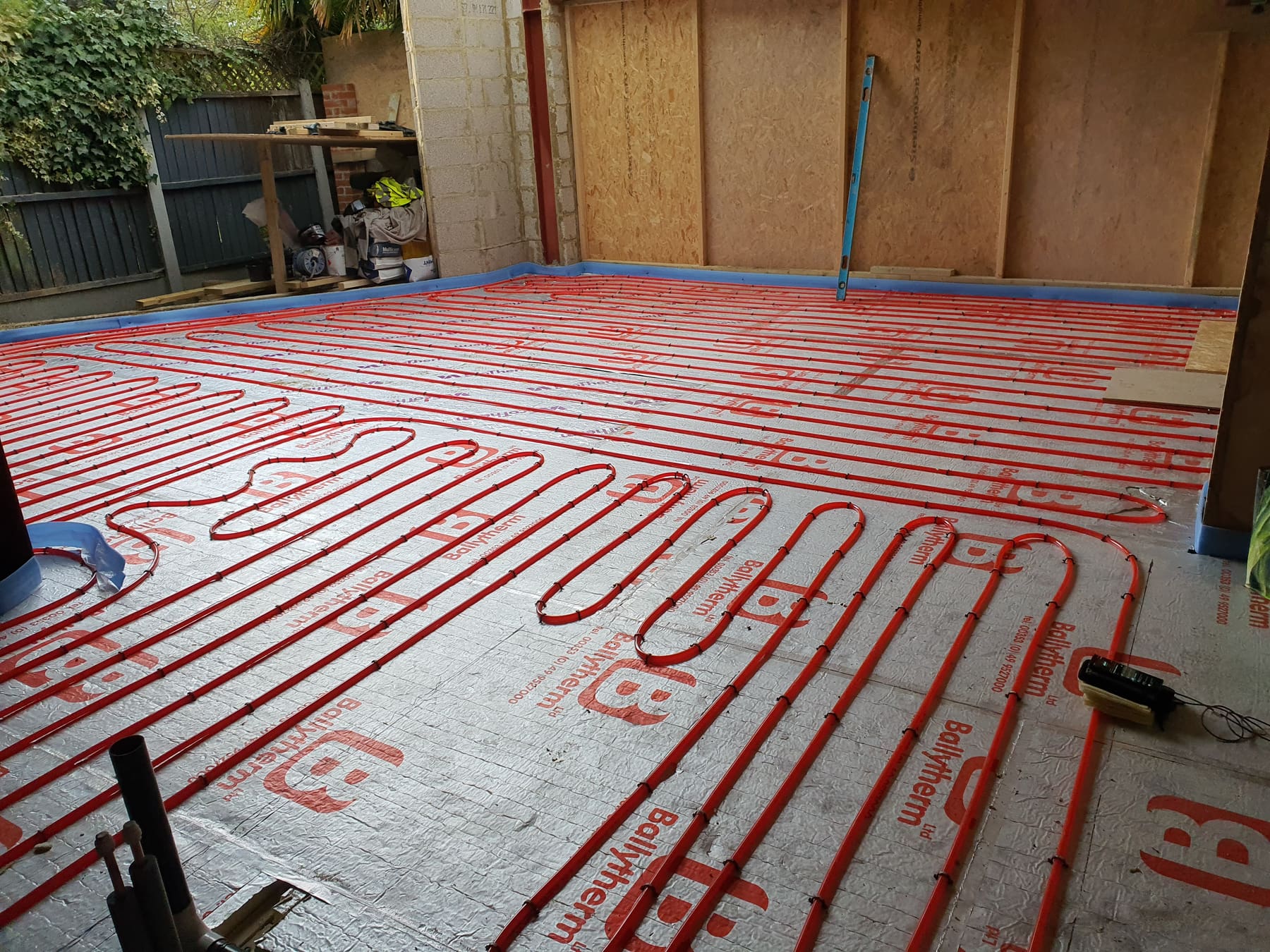
Red underfloor heating pipes laid across insulation in a residential extension

Local to the homes we serve

North London
& surrounding area.

Heat Go works with homeowners across North London and the surrounding area. A postcode is the clearest way to check whether a particular address can be considered.

Share your postcode when you enquire so Heat Go can confirm whether the property is within the service area.

Ask about your postcode

Start with the information you have

Tell us how the home feels.

A room, radiator or control that is not meeting expectations is a useful place to begin. Share the pattern and the outcome you would like to discuss.

Central heating questions

Good to
know first.

Answers to common questions about central heating enquiries, repairs and planned improvements for homeowners.

Stated hours8am–8pm · days not confirmed
01What central heating work can I enquire about?

You can ask Heat Go about the planned topics shown on this page, including installation, repairs, radiators, maintenance, controls and power flushing. Explain the work in everyday language so the scope can be discussed.

02Can you diagnose a heating problem from my description?

A description can help frame the enquiry, but it cannot confirm the fault. Share the rooms affected and what you have noticed; the system and property may need to be assessed before a cause or suitable work is established.

03Why might rooms feel different from one another?

A difference in comfort can have more than one possible explanation, including system, control or property factors. Note where and when the difference occurs, then discuss it with Heat Go rather than relying on a remote diagnosis.

04Can I ask about a radiator that is not working as expected?

Yes. Include the room, what the radiator is doing and whether the concern is continuous or occasional. If you are planning a replacement or addition instead, describe the wider change you have in mind.

05Do you work on heating controls and thermostats?

Controls and thermostats are among the planned enquiry topics. Tell Heat Go what type of control you have if known and what is difficult about its use. Any change needs to be considered in the context of the existing heating system.

06What is power flushing, and can I book it?

You can enquire about power flushing, but whether it is appropriate depends on the heating system and its condition. Describe what prompted the question and discuss the installation before any specific work is agreed.

07What details help with a heating enquiry?

The rooms affected, what changed, when it happens, any visible thermostat or boiler information and your postcode are useful. You do not need to identify the technical cause to make contact.

08Which areas do you cover?

Heat Go serves North London and the surrounding area. Share your postcode so the team can confirm whether the specific address is within the service area.

09When can I contact Heat Go?

The stated working hours are 8am to 8pm. Days of operation have not been confirmed, so please check directly by phone or email.

Talk to Heat Go

Talk through your home heating.

Tell Heat Go what the system is doing, which rooms are involved or what improvement you are considering. This on-page form is a non-submitting visual preview; call or email to make a real enquiry.

Stated working hours: 8am–8pm. Days to be confirmed.

Central heating enquiry

What can we help with?

All fields marked * are required

Preview only — your details will not be sent or stored.